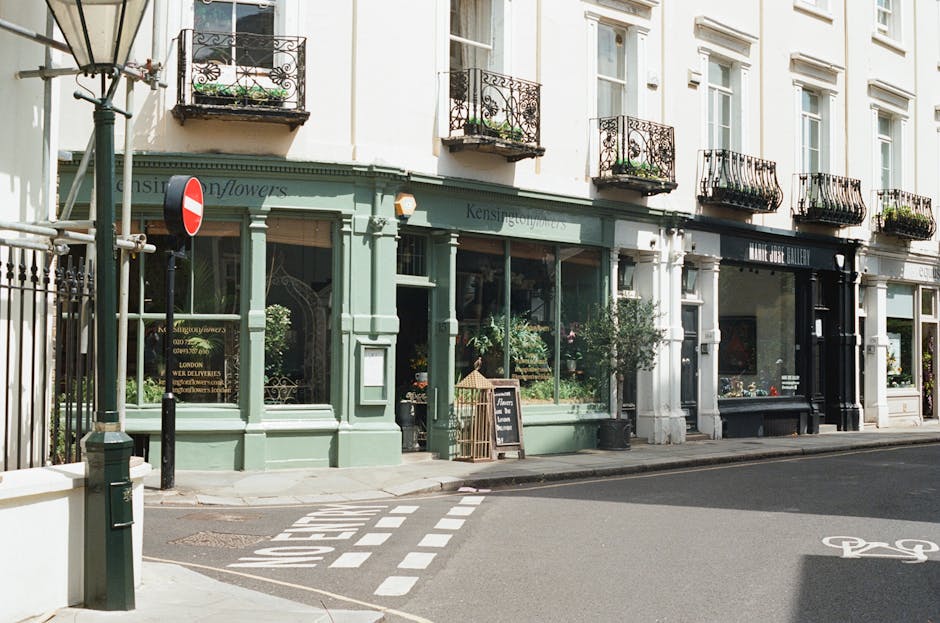
Do I Need a Permit for Street Flowers in Westminster Council?
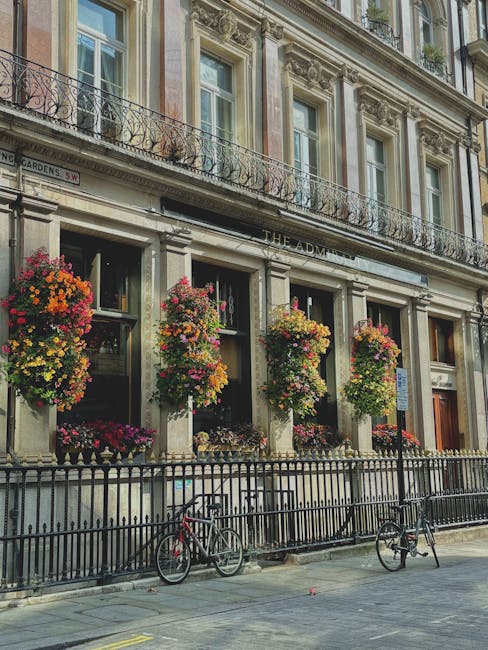
If you are planning to place street flowers in Westminster, the first question is usually the right one: do I need a permit for street flowers in Westminster Council? In many real-world situations, the answer depends on where the flowers are going, how they are displayed, and whether they affect the public highway, pavements, access routes, or nearby businesses. That may sound a bit dry, but it matters more than people expect.
A small row of planters outside a shop can feel harmless. Then a delivery rider clips a pot, a wheelchair user has to edge around it, or a council officer decides the display is an obstruction. Suddenly the nice idea becomes a headache. Truth be told, this is one of those topics where a quick check at the start can save you time, money, and a rather annoying back-and-forth later on.
This guide explains the practical side in plain English. You will learn what street flowers usually mean in a council context, why permission may be needed, how approvals often work, what can go wrong, and how to prepare properly before you place anything outside. We will also cover common mistakes, best practices, and a simple checklist you can use before making a move.
- Why permits for street flowers matter
- How the permit process usually works
- Benefits of getting it right
- Who needs permission and when
- Step-by-step guidance
- Expert tips and practical recommendations
- Common mistakes to avoid
- Tools, resources and useful pages
- Compliance and best practice
- Options and comparison table
- Real-world example
- Practical checklist
- Conclusion
- Frequently asked questions
Why Do I Need a Permit for Street Flowers in Westminster Council? Matters
Street flowers seem decorative, but once they move onto public land, the issue changes. Westminster is busy, tightly managed, and full of competing uses: pedestrians, cyclists, delivery vehicles, bins, seating, emergency access, frontage trading, and general footfall. A planter or floral display that looks tidy in a photo can still cause an issue on the ground.
That is why a permit, licence, or some form of prior permission may be needed. The council may want to check safety, maintain clear passage, avoid trip hazards, protect accessibility, and make sure the display does not interfere with street cleaning or traffic management. In a city centre setting, even small objects can have a bigger impact than people realise.
There is also the trust side. If you are a business, resident, community group, or event organiser, getting permission shows that you are being considerate rather than hoping nobody notices. To be fair, that makes a difference. A compliant display is far less likely to be challenged, removed, or disputed after the fact.
And there is a practical reality: different arrangements can sit under different rules. A flower box on private frontage is one thing. A planter on a pavement is another. A temporary display for a wedding, market, promotional event, or seasonal campaign may sit in a different category again. The details matter. A lot.
If your display is tied to a wider commercial or delivery setup, it can help to understand the service side too. For example, your floral arrangement plan may sit alongside your wider flower delivery logistics, or the care requirements noted in your supplier information for flower care. Small operational details can affect how long a display stays neat, safe, and presentable.
How Do I Need a Permit for Street Flowers in Westminster Council? Works
There is no one-size-fits-all process, because councils usually assess street placements based on location, use, size, duration, and public impact. If you are asking whether you need a permit for street flowers in Westminster Council, the answer often starts with one simple question: is anything being placed on land that is part of the public highway or another controlled public space?
If the answer is yes, permission is more likely to be required. If the flowers remain entirely on private property, you may not need a council permit, though planning, lease, landlord, or building rules can still apply. That distinction is easy to miss, and it catches people out quite often.
In practical terms, a council review may look at:
- where the flowers will sit
- how much space they occupy
- whether pedestrians can pass comfortably
- if wheelchair or pushchair access is affected
- how the display is secured against wind or accidental movement
- how long the display will remain in place
- whether the placement could affect traffic, cleaning, or emergency access
Sometimes the council may treat the request as a street furniture or pavement occupation issue rather than a "flower permit" in the informal sense. That is normal. The name of the approval may vary, but the underlying concern is usually the same: can it safely coexist with public use?
If your flowers are part of a business frontage, a local celebration, or a larger seasonal display, the council may also consider the visual impact and the wider streetscape. Westminster is a place where presentation and compliance often go hand in hand. A display that looks elegant can still be rejected if it narrows the footway too much. Annoying, yes. But understandable.
For businesses that already rely on reliable presentation standards, it can make sense to keep your flower handling, freshness, and delivery timing consistent by using established service pages such as delivery and guarantees to reduce last-minute surprises. Good timing is part of compliance, even if nobody says it that bluntly.
Key Benefits and Practical Advantages
Getting the permit question sorted early has some very real advantages. These are not theoretical. They show up in day-to-day operations, customer experience, and your own peace of mind.
| Approach | What it usually means | Typical upside | Main risk |
|---|---|---|---|
| Ask first, place later | Check with the council before installation | Lower risk of removal or objection | Slightly longer setup time |
| Place without checking | Install the flowers and wait to see what happens | Fastest in the short term | Possible enforcement action, complaints, or disruption |
| Keep everything private | Display flowers entirely within your own boundary | Usually simpler | May still face landlord or planning conditions |
The biggest benefit of checking properly is avoiding avoidable trouble. That sounds obvious, but in busy central areas it is genuinely useful. One complaint from a passer-by can lead to a review. One badly placed planter can create an access issue. One misunderstanding can delay a launch, photo shoot, or event.
There are softer benefits too. A controlled, approved display can improve how your frontage looks, support your brand, and create a pleasant, welcoming street presence. Flowers do something other decor does not. They soften hard edges. On a grey Westminster morning, a tidy floral arrangement can change the feel of a whole entrance.
And if you are running a customer-facing site, approved floral displays can support a more polished experience alongside the quality signals you already maintain through your product pages and customer policies. Pages like returns and refund information and sustainability can help reinforce a reliable, thoughtful brand story. Not glamorous, perhaps, but very useful.
Who This Is For and When It Makes Sense
This question is not only for shops. Plenty of people run into the permit issue when they least expect it.
- Retailers and cafes wanting to brighten a frontage or seasonal display
- Florists creating an outdoor feature near a shop or event venue
- Community groups planning beautification or remembrance displays
- Event organisers placing flowers for weddings, launches, markets, or ceremonies
- Residents who want to place planters outside a home, especially on shared or narrow streets
- Property managers and landlords deciding what tenants can install on the frontage
It makes sense to think about a permit whenever the flowers are not just decorative but also physical objects occupying a space people need to use. If somebody could trip over it, move around it, or complain about it, then yes, stop and check first.
There is a common grey area with temporary displays. For example, a short-lived floral arrangement for a special occasion may feel too small to matter. But if it sits on a pavement edge, is tied to a barrier, or runs for several days, the council may still view it as an occupation of street space. Temporary does not always mean exempt.
If you are in Westminster and working across multiple central areas, it may also help to understand the broader location landscape on the site. Pages such as Central London, London, and Westminster are useful references for local service planning, even when the permit issue itself is council-specific.
Step-by-Step Guidance
If you want the most practical route through this, follow a simple process. It does not have to be complicated.
- Identify the exact location. Is the flowers display on private land, shared land, or the public highway?
- Measure the footprint. Estimate how much pavement or frontage space the display will occupy.
- Check access routes. Leave enough room for pedestrians, wheelchairs, buggies, and cleaners.
- Decide whether the display is temporary or ongoing. A one-off event and a permanent feature are usually treated differently.
- Gather supporting details. Photos, a simple sketch, dimensions, and proposed dates can help.
- Ask the council before placing anything. If there is any doubt, do not guess. Ask.
- Keep records. Save emails, dates, and any conditions attached to permission.
- Review the arrangement after installation. What looked fine on paper may need a small adjustment once it is in place.
One small but important tip: if your flowers are in containers, make sure the containers are stable and weather-appropriate. A planter that slides on wet paving in the evening is not clever design; it is a nuisance waiting to happen. A gusty London afternoon will expose the weak spots fast enough.
If the flowers are tied to a larger order or seasonal campaign, it helps to match the schedule with your procurement and delivery expectations. That is where pages like payment, about us, and contact us can support a smoother workflow if you need to ask questions before placing an order or booking a delivery.
Expert Tips for Better Results
In our experience, the best outcomes come from combining good presentation with good judgement. Flowers are easy to admire and easy to underestimate. Here are a few practical tips that usually help.
- Keep the display narrow enough for real footfall. Busy pavements need more space than you think.
- Use heavier bases where appropriate. Lightweight items are easier to knock over.
- Match the display to the setting. Westminster streets can be formal, historic, and visually sensitive.
- Avoid blocking sightlines. Flowers should not hide steps, signage, or crossings.
- Choose blooms that hold up well. Some flowers look lovely for hours and tired by lunch. It happens.
- Check maintenance responsibilities. Wilted petals, water spillages, and broken stems can all create complaints.
- Keep the display tidy every day. A gorgeous arrangement on Monday can look scruffy by Wednesday if nobody checks it.
Another overlooked point is consistency. If you are using street flowers as part of your brand or venue experience, make sure your floral style is consistent with the rest of your service. Elegant but not overdone, neat but not rigid. That balance matters more than people realise. And yes, a messy bucket by the door can ruin a carefully styled entrance. Not ideal.
For the customer side of the experience, reliable flower handling and quality control help avoid problems before they start. A clear care routine and dependable delivery timing can keep displays looking like they were meant to be there, rather than rescued at the last minute from a sad corner of the van.
Common Mistakes to Avoid
Most permit problems are not caused by bad intentions. They come from assumptions. A few simple mistakes show up again and again.
- Assuming a small display does not need permission. Size helps, but location matters more.
- Thinking private business frontage always means private land. That is not always true.
- Placing planters too close to the kerb or doorway. Access and safety issues tend to follow.
- Ignoring weather conditions. Wind and rain change how displays behave, especially in exposed spots.
- Leaving water pooling on the pavement. Slips are the last thing you want.
- Not checking lease or landlord conditions. The council is not the only authority in the picture.
- Forgetting maintenance. A display can become untidy surprisingly quickly.
Another common error is waiting until the flowers are already installed before asking permission. That puts the council in a difficult position and can make the conversation much harder than it needed to be. To be fair, nobody enjoys being asked to approve something after it is already there.
If you are managing a wider service area, it is also worth making sure your route planning and locality pages are aligned with where you actually deliver. The site's regional structure, including Greater London and nearby local coverage pages, can help you keep everything consistent and avoid overpromising.
Tools, Resources and Recommendations
You do not need a complex toolkit to manage this properly. A few practical items make the process much easier.
- Measuring tape: useful for checking width, depth, and clear access space
- Phone camera: take photos of the location from several angles
- Simple sketch or site plan: helps show exactly where the flowers will sit
- Calendar notes: keep track of installation dates, review dates, and expiry points
- Maintenance checklist: helps you stay on top of watering, cleaning, and repositioning
From a website and business perspective, it also helps to keep your supporting information easy to find. Pages such as flower delivery, guarantees, and returns and refund give customers confidence when they are expecting fresh flowers on a timetable.
If you sell or arrange flowers for corporate or venue use, you may also find corporate accounts useful for repeat ordering, and sustainability helpful if your audience expects eco-conscious sourcing or disposal habits. Those pages do not replace permission, of course, but they strengthen the overall professionalism of the service.
A small recommendation from experience: keep one standard email template ready for council queries, and attach the same core information every time. It saves a lot of time when you are dealing with more than one site or location. Simple, but effective.
Law, Compliance, Standards, or Best Practice
Because street flowers can affect public space, compliance is usually about more than just aesthetics. The legal or regulatory framework may involve council permissions, highway considerations, property boundaries, lease terms, and accessibility expectations. The exact route depends on the location and the nature of the display.
The safest approach is to treat any object placed on the public highway, pavement, or shared access route as something that may require approval. That includes flower planters, decorative pots, temporary floral features, and anything attached to barriers, tables, or frontage equipment. The more the display touches public space, the more likely it is to raise a permission question.
Best practice usually includes the following:
- do not obstruct the pedestrian route
- protect access for disabled users
- keep entrances and exits clear
- secure all containers properly
- avoid spillages and loose debris
- remove or refresh damaged flowers promptly
- check local requirements before installation
It is also worth noting that a council may have expectations around appearance, safety, and maintenance even when a display is allowed. So "allowed" does not always mean "anything goes." There can be conditions, and those conditions matter. A lot.
If you are unsure whether your arrangement counts as a public-space occupation, it is usually wiser to ask before acting. In a place like Westminster, where pedestrian movement is constant and public realm standards are high, caution is not overkill. It is just sensible.
Options, Methods, or Comparison Table
When people ask whether they need a permit for street flowers in Westminster Council, they are often really choosing between a few possible approaches. This table makes the decision easier.
| Option | Best for | Pros | Cons |
|---|---|---|---|
| Display on private property only | Businesses or homes with enough frontage space | Usually simpler, less risk of permission issues | Less visibility from the street |
| Request council permission | Frontage displays, pavements, events, promotional setups | Reduces enforcement risk, clarifies conditions | Takes time and may require documentation |
| Use temporary event flowers | Short celebrations and one-off installations | Flexible and often easier to scale | Still may need approval if it touches public space |
| Work with an experienced florist or delivery service | Busy operators or regular flower users | Better timing, fresher displays, fewer last-minute issues | Requires coordination with supplier schedules |
In practice, the best option depends on how visible the display needs to be and how much public ground it touches. If it is purely decorative and fully inside your own boundary, you may have fewer hurdles. If it is part of the pavement experience, then permission is the safe route. Simple as that.
Case Study or Real-World Example
Imagine a small cafe near a busy Westminster side street. The owner wants two neat planters at the front to soften the entrance and make the place feel more inviting. On paper, the idea is lovely. On the ground, the pavement is narrower than it looked in the planning sketch, and delivery riders often pass through that exact spot at busy times.
The owner initially assumes the planters are fine because they are "only flowers." But once the placement is measured properly, it becomes obvious the planters would reduce the usable walking space more than expected. A nearby wheelchair route would also feel tight, especially if people were waiting outside with takeaway drinks.
Instead of risking a problem, the cafe checks the position first, adjusts the layout, and keeps the flowers within a clearer boundary. The final display still looks attractive from the street, but it no longer creates a pinch point. That is the sort of outcome you want. Not dramatic, just calm and workable.
Later, the cafe adds a matching delivery note to its ordering process so the flowers arrive in good condition, supported by clear expectations around timing and care. A simple system, really. But it saves a lot of fuss.
Practical Checklist
Use this before placing any street flowers in Westminster.
- Have I confirmed whether the flowers are on private or public land?
- Do I know whether the display touches the pavement, kerb, or access route?
- Have I checked if the display is temporary or ongoing?
- Will pedestrians, wheelchairs, or pushchairs still have enough room?
- Are the containers stable and suitable for outdoor use?
- Have I considered wind, rain, and maintenance?
- Do I have photos or a simple plan if the council asks for details?
- Have I checked lease, landlord, or building restrictions if relevant?
- Am I keeping records of any approval or conditions?
- Have I arranged a clear schedule for watering, cleaning, and replacement?
If you can tick those boxes, you are in a much stronger position. And if you cannot, that is fine too. Better to pause for ten minutes than deal with a removal notice later on.
Get a free quote today and see how much you can save.
Conclusion
So, do you need a permit for street flowers in Westminster Council? In many cases, yes, if the flowers are being placed in or near public space, on the pavement, or anywhere that could affect access, safety, or streetscape management. If everything stays entirely private, the permit issue may be simpler, though other permissions can still apply.
The smartest move is not to guess. Check the location, understand the footprint, and ask before installing. That one habit can save time, avoid complaints, and keep your floral display looking intentional rather than improvised. Which, let's face it, is the whole point.
Flowers are supposed to make a place feel lighter. When the setup is handled properly, they do exactly that - quietly, beautifully, and without drama. That is usually the best kind of result.
Frequently Asked Questions
Do I need a permit for flowers on a pavement in Westminster?
If the flowers or planters sit on the pavement or another public area, permission is often needed. The exact requirement depends on the location, size, and whether access is affected.
What if the flowers are just outside my shop?
Being outside your shop does not automatically mean they are on private land. Many shopfront areas sit close to public highway space, so you should check before placing anything there.
Do temporary flower displays need approval?
Sometimes yes. Even temporary displays can need permission if they occupy public space or create an obstruction. Temporary does not always mean exempt.
Can I place planters without asking if they are small?
Small planters may still need permission if they are on the public highway or narrow the walking route. Size matters, but location usually matters more.
What kind of information might the council ask for?
You may be asked for photos, dimensions, a simple layout, the dates of installation, and details about how the display will stay safe and accessible.
Is a flower display treated the same as street furniture?
Sometimes it can be. Councils may assess flower planters as part of pavement occupation or street furniture issues, depending on how they are installed.
What happens if I put flowers out without permission?
The council may ask for them to be moved or removed, and there could be further enforcement or complaint handling if the placement causes a problem.
Do I need permission if the flowers are inside my boundary?
Usually not from the council for the public-space issue, but lease terms, landlord conditions, and planning rules may still matter. It is worth checking the wider picture.
Can flowers block part of the footpath if there is still room to pass?
Possibly, but the remaining space must still be safe and suitable. The council may consider accessibility, pedestrian flow, and local conditions before approving anything.
How far in advance should I check about a permit?
As early as you can. Even a simple approval query can take time, and it is much easier to adjust a design before the flowers arrive than after.
Are there rules for maintaining street flowers once they are installed?
Yes, in practice there often are. Displays should stay tidy, stable, and free from spillages or decay. Neglected flowers can create complaints, even if the original setup was fine.
Who should I contact if I am unsure about my setup?
If the situation is borderline, contact the council and keep your location details ready. If you need help with the floral side of the arrangement, a clear service page and a direct enquiry route can make planning much smoother.