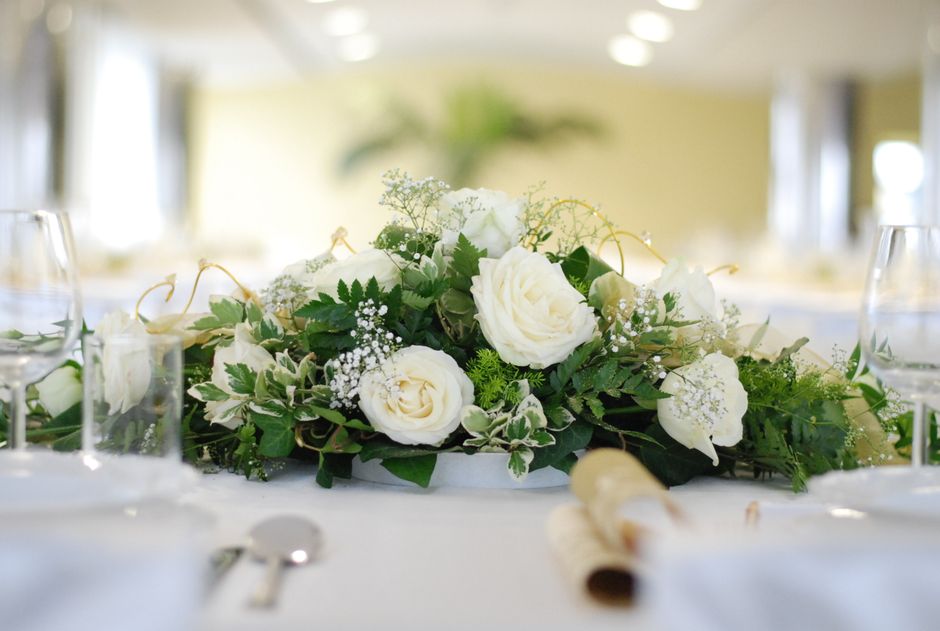
Corporate Flower Services in London: Contracts & Pricing
If you are trying to sort out corporate flower services in London: contracts & pricing, you are probably juggling a few things at once: reception standards, budget control, office branding, and the simple need to make the place feel good to walk into on a Monday morning. Fair enough. Flowers can do a lot more than "look nice". In a busy London office, hotel lobby, showroom, or dining space, they shape first impressions in a way people notice instantly, even if they do not mention it out loud.
This guide breaks down how corporate flower contracts work, what pricing usually depends on, and how to choose a service that fits your space without paying for things you do not need. You will also find practical examples, a comparison table, a checklist, and a few mistakes worth avoiding. Let's face it, flower pricing can look oddly opaque when you first start. It does not need to be.
Why Corporate Flower Services in London: Contracts & Pricing Matters
Corporate flowers are one of those small details that quietly influence how a business feels. In London especially, where clients may step from a taxi, an Underground platform, or a busy pavement straight into your foyer, the visual standard is immediate. A tired arrangement can make a polished brand look a bit off; the right one can make a modest space feel considered and calm.
Pricing matters because corporate flower contracts are rarely just about the flowers themselves. You are usually paying for design, sourcing, conditioning, transport, installation, maintenance, and the ability to keep everything looking consistent week after week. When a quote seems high, the real question is not "Why is this expensive?" but "What exactly is included, and what do I actually need?"
That distinction matters. Some businesses want a simple weekly display in reception. Others need rotating arrangements for meeting rooms, executive floors, client lounges, and events. A hotel may want a polished, large-scale look every day. A law office may prefer understated, low-scent flowers with reliable delivery windows. Different needs, different costs.
There is also a branding angle. Flowers are part of the customer journey, even if they sit in the background. Guests notice colours, freshness, and whether the arrangement matches the room. Staff notice too. A well-run floral programme can lift a space without shouting about itself. Quiet confidence. That is often the goal.
How Corporate Flower Services in London: Contracts & Pricing Works
Most corporate flower services in London run on a recurring contract, often weekly or fortnightly, though some businesses opt for seasonal refreshes or event-based support. The exact structure varies, but the basic model is familiar: the florist agrees a service level, supplies and installs arrangements, then refreshes or replaces them on schedule.
At contract stage, you will usually discuss:
- Location and access - loading bay access, concierge sign-in, reception hours, parking restrictions, lift use, and security checks.
- Style brief - modern, classic, seasonal, luxury, minimal, brand-coloured, or allergy-conscious.
- Frequency - weekly, fortnightly, monthly, or for special occasions only.
- Container type - vases, bowls, statement vessels, desk arrangements, or custom receptacles.
- Maintenance model - full refresh, stem replacement, top-up service, or collection and redesign.
- Budget range - often the most useful starting point, honestly.
Pricing is then built from several moving parts. Flowers are seasonal, so stem prices can change. Delivery in central London can be more complex than in outer boroughs because of congestion, parking, timed access, and the general reality of getting a van into certain postcodes before a meeting starts. A florist may also factor in design time, labour, and emergency cover for last-minute changes.
Some providers quote a fixed monthly fee. Others itemise each delivery and installation. Neither is automatically better. A fixed-fee contract can be easier for budgeting. Itemised pricing can make sense if your needs fluctuate, or if you want clearer control over what you are paying for. The best choice depends on your operations, not just the headline number.
For businesses exploring wider service structures, the corporate accounts page can help you understand how repeat ordering and business billing may be organised alongside floral contracts.
Key Benefits and Practical Advantages
There are the obvious benefits, and then there are the ones people only notice once the service is in place for a few weeks. The obvious one is presentation. Fresh flowers instantly make a lobby, reception, dining area, or boardroom look more intentional. That matters for clients and visitors.
The less obvious benefits are often even more valuable:
- Consistency - no scrambling for a one-off bouquet before a client meeting.
- Brand alignment - colour palette, scale, and style can support your visual identity.
- Staff experience - a well-kept space tends to feel calmer and more cared for.
- Time savings - internal teams are not spending time sourcing flowers at the last minute.
- Better budgeting - contracts reduce surprises when the brief is clear.
- Professional reliability - a standing arrangement is easier to manage than ad hoc ordering.
There is also a subtle operational advantage. If you already have a florist working to a contract, updating a design for an event or changing the look for a season is much easier. You are not starting from scratch every time. That sounds minor, but in a London office where calendars fill quickly, it is a relief.
For businesses that value sustainable sourcing, it is worth asking how the florist handles seasonal stems, packaging, and waste. You can read more about related practices on the sustainability page, especially if your company has environmental targets or reporting expectations.
Who This Is For and When It Makes Sense
Corporate flowers are not only for big headquarters. In fact, smaller businesses often benefit just as much, because one polished arrangement can transform a compact space. The service makes sense when the visual impression of your premises affects how people feel about your brand.
Common users include:
- Offices with client-facing receptions
- Hotels, serviced apartments, and hospitality venues
- Restaurants, bars, and private dining spaces
- Property developers and showrooms
- Law firms, finance teams, and consultancies
- Healthcare or wellness clinics that want a calm atmosphere
- Event venues needing recurring floral dressing
It also makes sense when your internal team is already stretched. If no one has time to water, replace, and reset displays, a contract removes that small but annoying burden. Truth be told, those tiny tasks are often the ones that get forgotten first.
One practical rule of thumb: if visitors regularly pass through a space and you care about what they see in the first ten seconds, flowers are probably worth considering. If your business has multiple sites, a contract can also help standardise the look across locations, whether that is a single London office or a wider regional portfolio. For multi-area service planning, the broader London coverage can be useful as a starting point.
Step-by-Step Guidance
If you are setting up a floral contract for the first time, keep it simple. Start with the use case, not the vase. The nicest arrangement in the world will still be wrong if it blocks sightlines, clashes with the furniture, or arrives after your busiest reception hour.
- Define the purpose
Decide whether the flowers are mainly for reception impact, internal wellbeing, events, or regular hospitality use. A reception display and a boardroom table piece should not be priced or styled the same way. - Map the spaces
List every area you want to cover: entrance, front desk, meeting rooms, breakout areas, executive offices, restaurant tables, or customer lounges. - Set a realistic budget
Give a range rather than a single number if possible. That lets the florist suggest a suitable cadence and stem mix instead of forcing a poor fit. - Choose the service frequency
Weekly is common for high-visibility spaces. Fortnightly may work for cooler rooms, smaller displays, or lower-traffic settings. - Agree the look and limits
Specify colour family, scent preference, height restrictions, and any allergy concerns. This avoids awkward surprises later. - Clarify access and logistics
Reception hours, security procedures, parking, and delivery instructions should be written down. In London, "just pop in" can be a bit optimistic. - Review the pricing structure
Ask whether the quote includes installation, vase hire, replacement stems, seasonal updates, tax, and emergency call-outs. - Test the first few deliveries
Use the first month to check whether the scale, colours, and freshness actually work in the space. Most good florists will welcome feedback.
A useful question to ask at the beginning is: what happens if a delivery is missed or a display arrives damaged? That one answer tells you a lot about service quality.
Expert Tips for Better Results
There are a few things that make a big difference, and they are often missed in the first conversation. First, be specific about the room. A bright, glass-fronted lobby near Canary Wharf will not behave like a warm interior corridor in a Victorian conversion. Light, air flow, and temperature all affect how long flowers last.
Second, think in terms of sightlines. A beautiful arrangement can still annoy people if it blocks badges, laptops, signage, or conversation. Reception flowers should support the room, not compete with it.
Third, ask for seasonal flexibility. Seasonal flowers usually give better value than insisting on one exact bloom all year round. They can also feel more natural. A florist who knows how to switch from spring stems to late autumn textures without making the space feel like a different business altogether is worth holding onto.
Fourth, use the contract to control scent and pollen levels where needed. In office settings, less fragrance is often better. Not everyone wants a room that smells like a garden centre at 9 a.m. - charming in theory, less charming when you are on your second call.
Finally, keep a short feedback loop. A quick monthly check-in is usually enough. You do not need a giant meeting about the roses. Just enough to say what is working, what feels too large, and whether the colour balance still suits the room.
If your team often orders gifts, event flowers, or one-off bouquets as well, it can help to align the corporate arrangement style with your wider ordering habits. The flower delivery service information can be useful for that broader planning.
Common Mistakes to Avoid
Some mistakes are harmless. Others quietly waste money for months. The most common one is asking for the cheapest possible quote without defining the brief. That usually leads to a small arrangement, disappointing stem quality, or frequent replacements that end up costing more in the long run.
Other avoidable mistakes include:
- Ignoring access issues - if the florist cannot deliver easily, timing and cost both suffer.
- Forgetting about maintenance - flowers are not a one-time purchase in a corporate setting.
- Over-specifying the exact flowers - this limits seasonal value and can push pricing up.
- Not checking hidden extras - vase hire, collections, and emergency changes may be charged separately.
- Choosing oversized arrangements - they can look impressive but become impractical fast.
- Neglecting staff feedback - a display that looks wonderful but gets in the way is not doing its job.
Another subtle mistake is assuming all office flowers should follow the same formula. A legal office in Holborn may want a restrained, elegant look; a creative agency in Shoreditch might prefer something looser and more playful. The right answer depends on the room and the culture of the business, not a generic trend board.
Tools, Resources and Recommendations
You do not need specialist software to manage a flower contract, but a few simple tools help keep things tidy. A shared calendar for delivery dates is probably the most useful. So is a short brief document with room names, contact details, access notes, and preferred styles. Boring? Maybe. Effective? Absolutely.
It also helps to keep a simple comparison sheet when reviewing suppliers. Include:
- Service frequency
- Delivery window
- Installation included or not
- Replacement policy
- Holiday cover
- Design flexibility
- Contract length
- Cancellation terms
If you want to understand how a supplier handles quality assurance, the guarantees page is worth reviewing alongside any quote. For office-friendly options and repeat ordering, the corporate accounts service is also a useful reference point.
As a practical matter, ask your florist for a sample moodboard or seasonal palette before signing a longer agreement. Even a quick visual outline can reveal whether their idea of "luxury" matches yours. Sometimes it does. Sometimes it really does not.
Law, Compliance, Standards, or Best Practice
For most corporate flower services, the main compliance concerns are practical rather than highly regulated. That said, businesses in London still need to think about safe access, workplace hygiene, packaging waste, insurance, and building rules. If flowers are placed in public or shared areas, they should not create trip hazards, obstruct exits, or interfere with cleaning routines.
Best practice usually includes:
- Clear delivery instructions so staff, security, and building management know what to expect.
- Safe placement away from walkways, fire routes, and access panels.
- Appropriate handling of water, glass, and packaging to reduce spill or breakage risk.
- Allergy awareness where staff or visitors may be sensitive to scent or pollen.
- Responsible disposal of spent flowers and packing materials.
If your company has broader policies on sustainability or supplier conduct, it is sensible to ask how the florist supports those standards. A good supplier should be able to talk plainly about sourcing, waste reduction, and delivery planning without turning it into a buzzword competition. Smaller detail, yes. But it matters.
You may also want to check contract terms carefully for cancellation notice, missed delivery procedures, and payment timing. The payment and terms and conditions pages can help set expectations around billing and service commitments. If something goes wrong, the returns and refund policy is useful to review too.
Options, Methods, or Comparison Table
Not every corporate floral setup needs a full-service weekly contract. Some businesses only need a few statement pieces, while others need a complete managed programme. Here is a simple comparison to help you think it through.
| Option | Best for | Typical structure | Pros | Trade-offs |
|---|---|---|---|---|
| Weekly managed contract | Reception areas, hotels, client-facing offices | Set monthly or recurring fee with regular refreshes | Consistent look, predictable budgeting, low admin | Less flexible if needs change often |
| Fortnightly refresh | Smaller offices, lower-traffic spaces | Delivery every two weeks or as scheduled | Lower cost, still polished | Not ideal for hot or heavily used spaces |
| Event-based flowers | Launches, conferences, seasonal functions | One-off quote per event | Flexible, easier for occasional use | Less consistency across the year |
| Hybrid model | Businesses with regular receptions plus occasional events | Core contract with add-on event work | Good balance of control and flexibility | Needs clearer coordination |
In practice, the hybrid model works well for many London businesses. You get the reliability of a standing contract, but you can still scale up for annual meetings, product launches, or guest visits without renegotiating everything from scratch.
Case Study or Real-World Example
Imagine a mid-sized professional services firm in central London. They have a reception desk, two client meeting rooms, and a small lounge. At first, they ask for "something nice every week", which is exactly the sort of brief that causes headaches. What counts as nice? How big? How scented? How much should it cost? You can probably see the problem.
The florist starts again with three questions: who sees the flowers, how long do they need to last, and what is the budget range? The answer turns out to be fairly practical. Reception needs a medium statement arrangement. The meeting rooms need smaller, lower-profile designs. The lounge can use one relaxed seasonal piece that is refreshed less often.
After agreeing on a simple contract, the business ends up with a more consistent look and less internal admin. The facilities manager stops chasing last-minute replacements. Staff stop moving the arrangements out of the way because they were too big. And the client-facing areas look more finished without becoming fussy.
That is the kind of result you want. Not loud. Not showy. Just quietly right.
Practical Checklist
Before signing a corporate flower contract, work through this checklist. It saves time later, and a few awkward surprises too.
- Have we defined the purpose of the flowers?
- Do we know which spaces need arrangements?
- Have we agreed how often flowers should be refreshed?
- Is our budget range realistic for the level of service we want?
- Have we shared delivery access, timings, and security instructions?
- Do we have any scent or allergy restrictions?
- Have we asked what the quote includes and excludes?
- Do we understand the cancellation and payment terms?
- Have we reviewed sustainability or waste expectations?
- Is there a named contact on both sides for quick communication?
If you can answer yes to most of those, you are already ahead of the curve. Simple, but not simplistic. There is a difference.
Conclusion
Corporate flower services in London work best when the contract is clear, the pricing is transparent, and the floral style fits the space rather than fighting it. Once you understand what is included, how often the arrangements will be refreshed, and what practical details affect delivery, it becomes much easier to make a good decision.
The strongest contracts are the ones that feel boring in the best possible way: consistent, predictable, and easy to manage. That gives you room to focus on the impression the flowers create, rather than the admin behind them. And that is really the point, isn't it?
Get a free quote today and see how much you can save.
If you are comparing suppliers or refining an existing floral programme, start with the spaces that matter most and build from there. A well-chosen arrangement can change the feel of a room before anyone says a word. In a city as fast-moving as London, that kind of quiet polish goes a long way.
Frequently Asked Questions
What do corporate flower services in London usually include?
Most corporate flower services include design, flower sourcing, arrangement, delivery, installation, and regular refreshes. Some also include vase hire, maintenance, and seasonal redesigns. Always check the quote line by line so you know what is included and what may cost extra.
How are corporate flower contract prices usually calculated?
Pricing is usually based on arrangement size, delivery frequency, flower choice, labour, access difficulty, and any extras such as vase hire or event upgrades. Central London logistics can also influence cost, especially where parking or timed access is limited.
Is a weekly contract better than ad hoc flower orders?
For client-facing spaces, a weekly contract is often better because it gives you consistency, easier budgeting, and less admin. Ad hoc ordering can work for occasional needs, but it is less reliable if presentation matters every week.
Can I choose the flowers and colour palette myself?
Yes, usually. A good florist will work from your brand colours, preferred style, or room mood. That said, leaving some flexibility for seasonal stems often gives you better value and a more natural result.
What is the typical minimum spend for a corporate flower contract?
There is no fixed minimum that applies everywhere. It depends on the provider, the number of spaces you want covered, and the level of design expected. A small reception arrangement will cost less than a full multi-room programme, so it is best to request a tailored quote.
Do corporate flower services handle allergy-friendly requests?
Yes, many do. If scent, pollen, or staff sensitivity is a concern, mention it early. Florists can often suggest lower-scent flowers, simpler designs, or placement options that reduce issues in shared spaces.
How far in advance should I set up a flower contract?
Two to four weeks is often enough for a straightforward setup, but more time is helpful if you need multiple locations, custom containers, or a special launch date. If the space is busy or access is complex, allow longer so the delivery plan is practical.
What should I check before signing a floral contract?
Check the service frequency, cancellation terms, payment schedule, delivery window, replacement policy, and any hidden extras. It is also wise to confirm how the florist handles damaged deliveries, holiday cover, and seasonal changes.
Are corporate flowers worth it for smaller businesses?
Often, yes. Even a single tasteful arrangement can improve how a small office feels to clients and staff. For a smaller business, the trick is choosing the right scale so the flowers enhance the room without overwhelming it.
Can a florist work around London building access rules?
Usually, yes, as long as the access requirements are clearly shared in advance. Many London buildings have sign-in procedures, restricted delivery times, or loading restrictions, so the more detail you provide, the smoother the service will be.
What happens if a delivery is late or the flowers are not fresh enough?
That should be covered by the supplier's service terms or guarantees. A reliable florist will explain what happens if a delivery is missed, delayed, or not up to standard, and whether replacement or credit is offered. It is worth asking before you sign.
Can corporate flower services also cover events?
Yes, many suppliers offer event work alongside regular office contracts. This hybrid setup is useful if you want a standing reception arrangement plus extra flowers for launches, conferences, or seasonal functions without starting from zero each time.